
Discover Vietnam’s Culture with Local Experts on Immersive Experiences
Vietnam Cultural Experience
Vietnam is not only a place to be discovered by monuments but also by its people. Its actual essence exists in the conversations over street food, in early-morning markets, in centuries-old temples, and next to riverbanks where daily life unfolds at a steady pace. A thoughtfully curated Vietnam cultural experience goes beyond observation. It links travellers to the local professionals who interpret traditions, history, and social customs as meaningful experiences.
Instead of rushing between attractions, immersive experiences will inspire learning. From the north’s historic quarters to central imperial cities and southern river communities, structured Vietnam travel experiences create depth. The key lies in the combination of narration and background, guided experiences, and interactions.
Hanoi: Understanding Culture at Street Level
Hanoi brings out the layers of Vietnam cultural movement. The Old Quarter is not only a complex of ancient structures. It is a developing landscape that is influenced by trade and colonialism as well as daily routine. Exploring independently can be rewarding, but joining organized Vietnam guided tours adds interpretation that transforms narrow streets into living classrooms.
An effective planned route may have:
- Tours in old merchant streets.
- Temple visits that explain spiritual practices.
- Market stops highlight the local food and traditions.
These curated Vietnam sightseeing tours offer more than photographs. They explain how the architecture, religion, and commerce intersect within the city. As travellers move from one alley to another, the Vietnamese cultural experience becomes personal rather than distant.
Hoi An: Craft, Cuisine, and Community Interaction
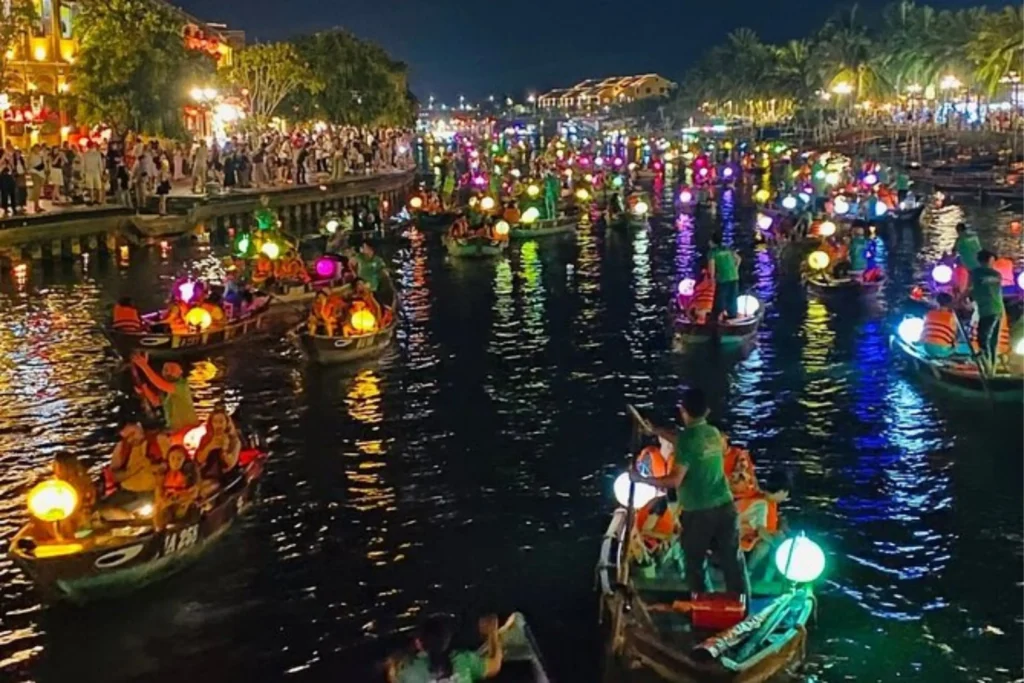
Hoi An has been intentionally maintained, but it is still active and full of workshops, markets, and family-owned enterprises. Participating in immersive Vietnam tours here often means engaging directly with artisans or home cooks rather than observing from a distance.
Experiences frequently include:
- Local family-lead traditional cooking classes.
- Workshops: Lantern-making workshop Tailoring workshop
- Nighttime heritage walks in lighted streets.
These local Vietnam tours create opportunities for genuine connection. Travellers do not just taste a food but get to know about its importance in that region. They do not only admire lanterns but also appreciate the art behind the creativity of lanterns. This interaction elevates the Vietnamese cultural experience into a shared exchange.
Hue: Royal Heritage and Historical Insight
Hue presents another essence of traveling in Vietnam, which is influenced by the history of the empire. The previous royal capital has citadels, ritual halls, and riverside temples, which indicate the dynastic history of Vietnam.
Through organized Vietnam heritage tours, travellers gain structured access to:
- The architectural structure of the Imperial City.
- Complexes of royal tombs outside the main center.
- Performances based in court culture.
Without any skilled interpretation, these landmarks may be overwhelming. Guided context within Vietnam guided tours clarifies symbolism, political transitions, and cultural rituals. As a result, the Vietnam cultural experience deepens beyond visual appreciation.
Mekong Delta: Everyday Life Along the River
The culture in southern Vietnam is river-based. The Mekong Delta is a symbol of agrarian culture, floating markets, and village life under the influence of river streams. Engaging in organized Vietnam tours as a sure way of sailing through the canals and making timely stops at the market centers here.
Common elements of these Vietnam immersive tours include:
- Cruises through the small waterways.
- Observations in the market early in the morning.
- Local crafts village stops targeted local crafts.
Through these experiences, the relationship between livelihoods and geography is depicted. By engaging in guided Vietnam local tours, travellers experience daily routines rather than staged presentations, strengthening the authenticity of the Vietnam cultural experience.
Culinary Routes as Cultural Education
Food is a key aspect of understanding the Vietnam identity. The structured culinary trails enable tourists to try the local delicacies in addition to getting to know how the food is made and the social practices.
Organized Vietnam sightseeing tours focused on cuisine often involve:
- Street food tasting walks
- Introductions of market ingredients.
- Shows of conventional cooking ways.
Meals are turned into platforms of storytelling through these activities. The Vietnam cultural experience expands as travellers learn how history, trade, and regional diversity shape flavors.
Rural Traditions and Heritage Preservation
Even in small villages beyond large cities, craft work, agriculture, and religious ceremonies are maintained. Including these communities within broader Vietnam heritage tours provides contrast to urban exploration.
Experiences may involve:
- Touring of the traditional craft villages.
- Relations with local craftsmen.
- Seasonal agricultural activities.
These structured Vietnam travel experiences emphasize continuity between past and present. Culture does not end with monuments; culture is maintained through the simple everyday skills and rituals.
The Value of Expert Guidance
The history of Vietnam is one of ancient dynasties, changes in colonial rule, and modern development. These layers need to be interpreted with expert help. Well-planned Vietnam guided tours streamline transportation, coordinate entry times, and ensure access to significant sites.
Advantages include:
- Optimization of interregional route planning.
- Local contextual storytelling.
- Less uncertainty during the high seasons.
Many travellers arrange these organized, immersive Vietnam excursions through Viator to secure confirmed schedules before arrival. Coordinated bookings are applicable in ensuring a smooth flow between the northern, central, and southern destinations.
Crafting a Balanced Cultural Itinerary
The balanced trip is a mixture of urban areas, historical landmarks, and river scenery. Layering of several environments instead of focusing on a specific region aids in a deeper understanding.
Some of the structure examples would be the following:
- Historical exploration of Hanoi.
- Craft and cooking adventure in Hoi An.
- Imperial heritage in Hue
- The Mekong Delta river experiences.
Blending Vietnam heritage tours with interactive local routes ensures the Vietnam cultural experience remains varied and engaging.
Separating these activities across several days will also enable travellers to receive information without feeling tired.
Conclusion
From Hanoi’s vibrant streets to Hoi An’s artisan workshops, Hue’s imperial citadels, and the Mekong’s floating markets, a thoughtfully curated Vietnam cultural experience reveals the country through connection and locals’ storytelling. Integrating structured Vietnam local tours with insightful Vietnam sightseeing tours transforms visits into memorable and meaningful understanding.
Viator is used by many travellers to book the Vietnam tours through which they can ensure seamless movement between locations and curated schedules of the area.
To continue getting inspired and travel planning tips that you can use in your trip planning. LoveBeachHolidayz offers useful experiences that can help guide you on your next trip to Vietnam.
 Explore the Best Family-Friendly Places to Visit in the USA
  Easy Ways to Book Affordable Accommodation in Nevada
  How to Experience the United States Through Its Most Iconic Destinations
  When Is the Perfect Time to Explore the United States? A Traveler’s Experience-Based Guide